About Orthodontics
Ancient People and Cavities
- Written by
Noorani Orthodontics - Posted on
Sep 20, 2022

We have known for a long time that ancient Egyptians, Greeks, and Romans drilled and cleaned decayed teeth. Recently, archeologists have found evidence that many prehistoric civilizations also had methods to deal with cavities, and some even used advanced tools that did an excellent job of cleaning out the infected tooth.
Dental fillings evolved throughout history, but many find it surprising how early modern materials appeared.
A pair of 13,000-year-old front teeth found in Italy contain the earliest known use of fillings – made out of bitumen. The teeth, two upper central incisors belonging to one person, were discovered at the Riparo Fredian site near Lucca in northern Italy.
Researchers found a young man with beeswax dental fillings in a cave in Trieste, Italy. They believe the remains date back at least 6,000 years ago and indicate an early form of dental filling. There are few other examples of ancient remains containing dental fillings, but not much is known about the earliest origins of dentistry.
Even thousands of years ago people realized that it was important to keep teeth clean. Ancient teeth have been found with wearing patterns that were probably made from using toothpicks. Many different people groups frayed the ends of twigs to create toothbrushes. The Chinese chewed on aromatic tree twigs to freshen breath and invented the first known toothbrushes. These toothbrushes had handles of bone or bamboo, with bristles from pig necks.
Some cultures used relatively simple ingredients for toothpaste such as charcoal, ashes, walnut shells, or lemon juice. Others created a more complex formula. Egyptians blended rock salt, mint, dried iris flower, and pepper. Greeks and Romans often used crushed bones, oyster shells, and flavoring. Over the millennia, Ancient Chinese people used salt and many different herbs, including ginseng and mint.
In the 19th century, metal fillings were used to fill teeth. The metal (which could be any metal from gold, tin, silver, etc.) was softened and put into the tooth. Later on in the 19th century, dental amalgams were introduced to the western hemisphere. A dental amalgam is a type of filling that consists of a mix of tin, silver, mercury, and copper.
What Ancient Dentistry Teaches Us About Preventing Cavities Today
The tools have changed, but the lesson has not: cavities form when bacteria feed on sugars and produce acid that wears away enamel. Ancient people fought that same process with twigs, salt, and herbs. Today we have fluoride toothpaste, sealants, and regular cleanings, yet sugary drinks remain one of the biggest threats to teeth. Our guide to the impact of soda and energy drinks on your teeth explains how acids in these drinks soften enamel and make cavities more likely. Fluoride helps in the other direction by strengthening enamel and even reversing the earliest stages of decay, which is why it still matters during orthodontic care; you can read more about fluoride and your orthodontic treatment and how it protects teeth while they are moving.
From Ancient Toothpicks to Modern Braces Care
If a frayed twig could count as a toothbrush, modern patients have no excuse for skipping the basics. Brushing after meals, cleaning between teeth, and rinsing away food debris are even more important when brackets and wires give plaque extra places to hide. Our step-by-step advice on how to care for your teeth and braces covers the brushes and techniques that keep teeth clean throughout treatment. Diet matters just as much as brushing: sticky sweets and hard snacks can break brackets and feed cavity-causing bacteria, so it helps to know what foods to avoid with braces before a craving turns into a repair visit.
Why Straight Teeth Are Easier to Keep Cavity-Free
Crowded or overlapping teeth create tight spots where a toothbrush cannot reach, and those hidden corners are where cavities and gum irritation often start. Straightening teeth does more than improve a smile: it makes daily cleaning easier and helps gums stay healthy. If your gums feel puffy or bleed around brackets, do not ignore it; our article on swollen gums with braces explains what is normal, what needs attention, and when to call your orthodontist. Good cleaning also keeps breath fresh, and if bad breath is a concern, our look at halitosis in kids covers common causes and simple fixes that work for the whole family. Ancient people understood that clean teeth mattered; modern orthodontics simply gives us better tools to keep them that way.
About Noorani Orthodontics
Noorani Orthodontics
Three Convenient Locations To Better Serve Your Needs
Glen Burnie | White Marsh | Bel Air
@NooraniOrtho
To learn more about orthodontic treatment and sign up for free initial consultation, check out the link below
Read More Related Blogs
About Orthodontics

An orthodontic confidence boost is about far more than a straight smile. We ofte..
- Written by
Noorani Orthodontics - Posted on
Dec 17, 2025
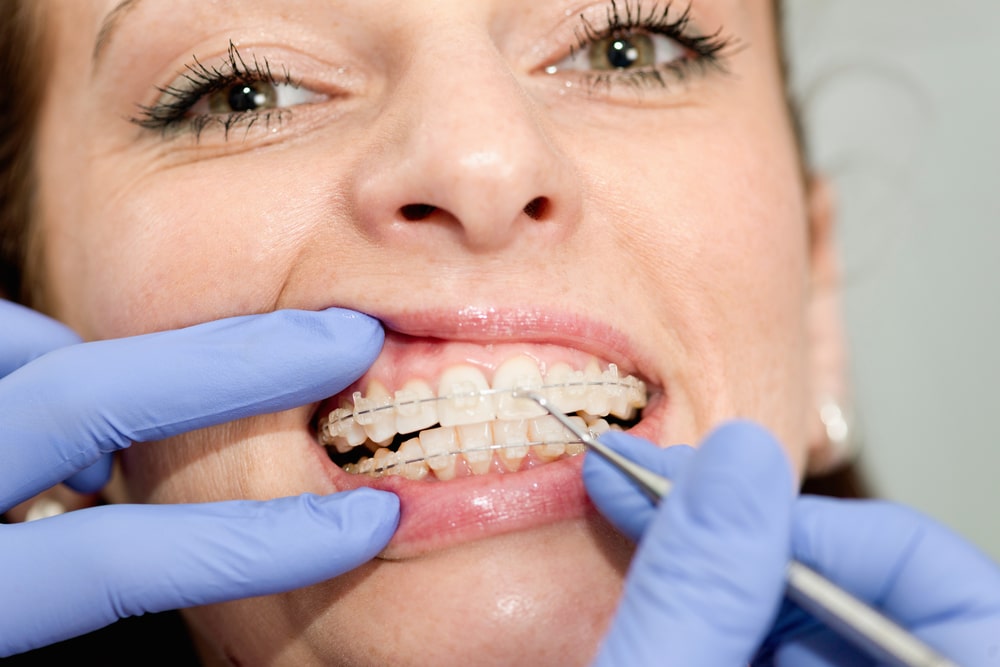
How often will you have orthodontist appointments? The frequency depends on your..
- Written by
Noorani Orthodontics - Posted on
Sep 8, 2025

During your initial consultation, we will conduct a thorough examination of your..
- Written by
Noorani Orthodontics - Posted on
Sep 8, 2025

Yes — playing sports with braces is absolutely possible, and you do not have t..
- Written by
Noorani Orthodontics - Posted on
Sep 8, 2025

While many patients are referred by their general dentist, you do not need a ref..
- Written by
Noorani Orthodontics - Posted on
Sep 8, 2025
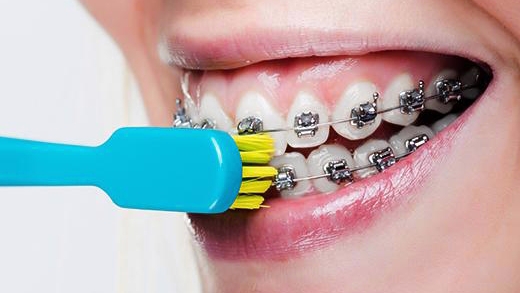
Maintaining good oral hygiene is essential while wearing braces. You should brus..
- Written by
Noorani Orthodontics - Posted on
Sep 8, 2025

To prevent damage to your braces, you should avoid hard, sticky, and chewy foods..
- Written by
Noorani Orthodontics - Posted on
Sep 8, 2025
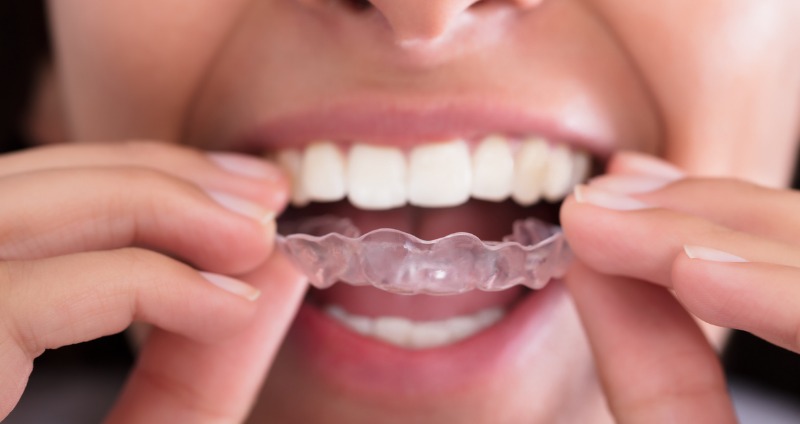
Yes — you will need to wear a retainer after braces are removed. A retainer is..
- Written by
Noorani Orthodontics - Posted on
Sep 8, 2025
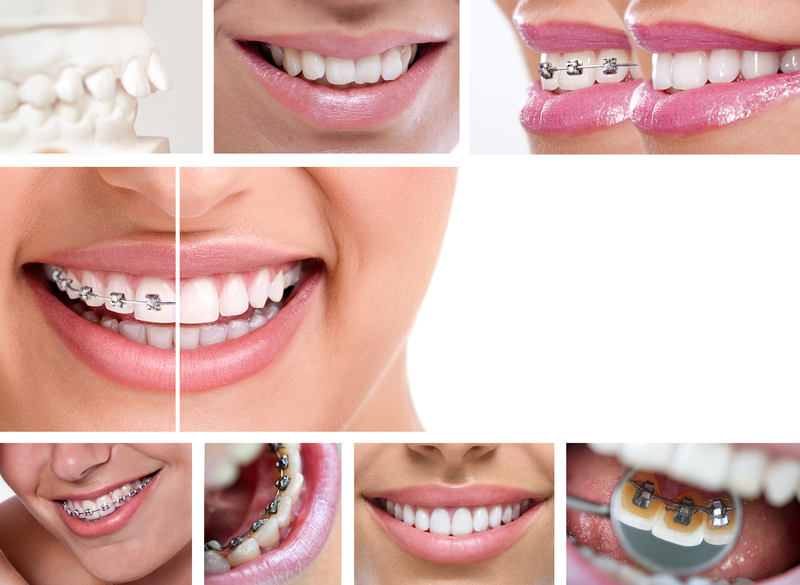
What are your orthodontic treatment options? We offer a variety of orthodontic s..
- Written by
Noorani Orthodontics - Posted on
Sep 8, 2025
Is orthodontic treatment painful? Most patients experience some discomfort after..
- Written by
Noorani Orthodontics - Posted on
Sep 8, 2025
Share this article