About Orthodontics
Orthodontics and TMJ Disorders
- Written by
Noorani Orthodontics - Posted on
Jun 28, 2021

Disorders of pain in the TMJ (Temporomandibular Joint) can range from a minor annoyance to debilitating pain. The cause of discomfort is very difficult to diagnose and is often multifactorial. Because of the severity and difficulty in treatment, sufferers often seek the professional advice of numerous medical specialties including Physical Therapists, dentists, Pain specialists, ENT doctors, chiropractors, and of course, ORTHODONTISTS!
What Is the Temporomandibular Joint?
The temporomandibular joints connect your lower jaw to your skull, one on each side of your face, just in front of your ears. They work together with the chewing muscles to let you talk, chew, yawn, and open and close your mouth. When these joints or the muscles around them do not work smoothly, the result is often grouped under the term TMJ disorders, or TMJD. Problems can involve the joint itself, the surrounding muscles, or the way the upper and lower teeth come together.
Common Symptoms of TMJ Disorders
TMJ disorders can look different from person to person, and symptoms may come and go. Common signs include:
- Jaw pain, tenderness, or aching around the ear or face
- Clicking, popping, or grating sounds when opening or closing the mouth
- Difficulty opening the mouth fully, or a jaw that feels stuck or locked
- Headaches, neck pain, or pain while chewing
- Teeth that feel as if they no longer fit together the way they used to
Stress, teeth grinding or clenching, injury, arthritis, and bite problems can all play a role. Because poor sleep and nighttime grinding often go together, it can help to read how sleep affects your smile alongside this overview.
Despite popular belief, malocclusion is only suspected to contribute to about 10% of TMJD, largely overshadowed by factors such as stress and joint problems. The study of the relationship between malocclusion and TMJD is where the orthodontis role comes into play. In 1987, there was a lawsuit involving a patient suffering from TMJD after receiving orthodontic care. This spurred the American Association of Orthodontics to spend millions of dollars on research to determine if a link between TMJD and orthodontics exists. The research unanimously agrees that orthodontics neither causes nor cures TMJD. One exception is the correction of crossbites. Certain crossbites cause the bite to force the TMJ into an abnormal position, causing TMJD. The correction of said crossbite with orthodontics can alleviate the symptoms.
How TMJ Disorders Are Evaluated
Because TMJ pain can have many causes, a careful evaluation matters. An orthodontist will review your symptoms and history, examine your jaw movement and bite, and may recommend imaging to look at the joints more closely. That evaluation helps sort out whether a bite issue is contributing to your discomfort and what kind of care makes sense. If you are wondering what an orthodontist is and how they differ from a general dentist, that background can help you understand who does what in your care. To learn what happens at an orthodontic consultation and review orthodontic treatment options, start with those guides — and if you are looking for answers about care itself, our companion post, TMJ Disorders and Orthodontic Treatment: Finding Answers, covers that side of the story.
-Dr. Robert Yu
Read More Related Blogs
About Orthodontics

An orthodontic confidence boost is about far more than a straight smile. We ofte..
- Written by
Noorani Orthodontics - Posted on
Dec 17, 2025
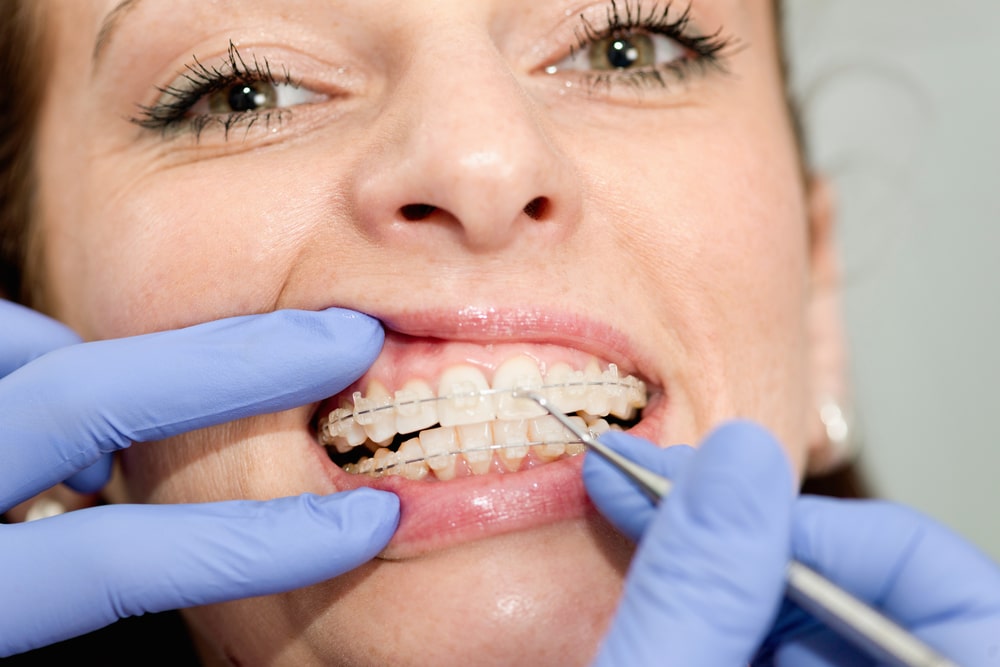
How often will you have orthodontist appointments? The frequency depends on your..
- Written by
Noorani Orthodontics - Posted on
Sep 8, 2025
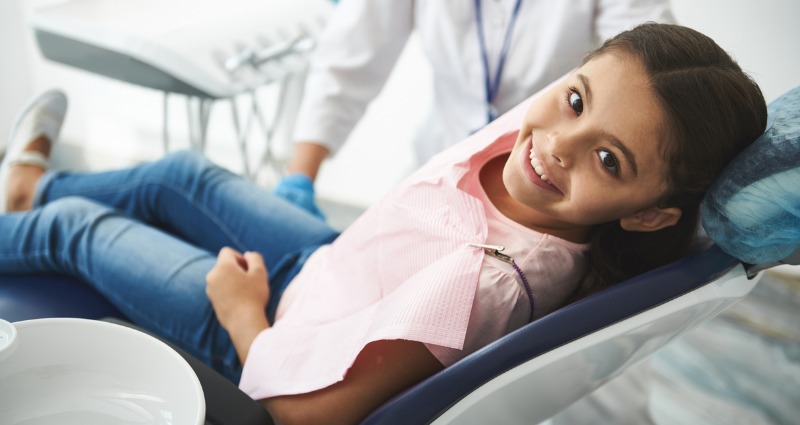
During your initial consultation, we will conduct a thorough examination of your..
- Written by
Noorani Orthodontics - Posted on
Sep 8, 2025

Yes — playing sports with braces is absolutely possible, and you do not have t..
- Written by
Noorani Orthodontics - Posted on
Sep 8, 2025

While many patients are referred by their general dentist, you do not need a ref..
- Written by
Noorani Orthodontics - Posted on
Sep 8, 2025
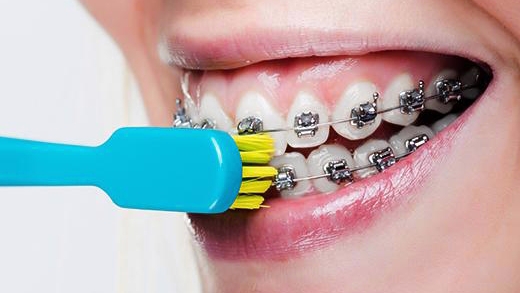
Maintaining good oral hygiene is essential while wearing braces. You should brus..
- Written by
Noorani Orthodontics - Posted on
Sep 8, 2025
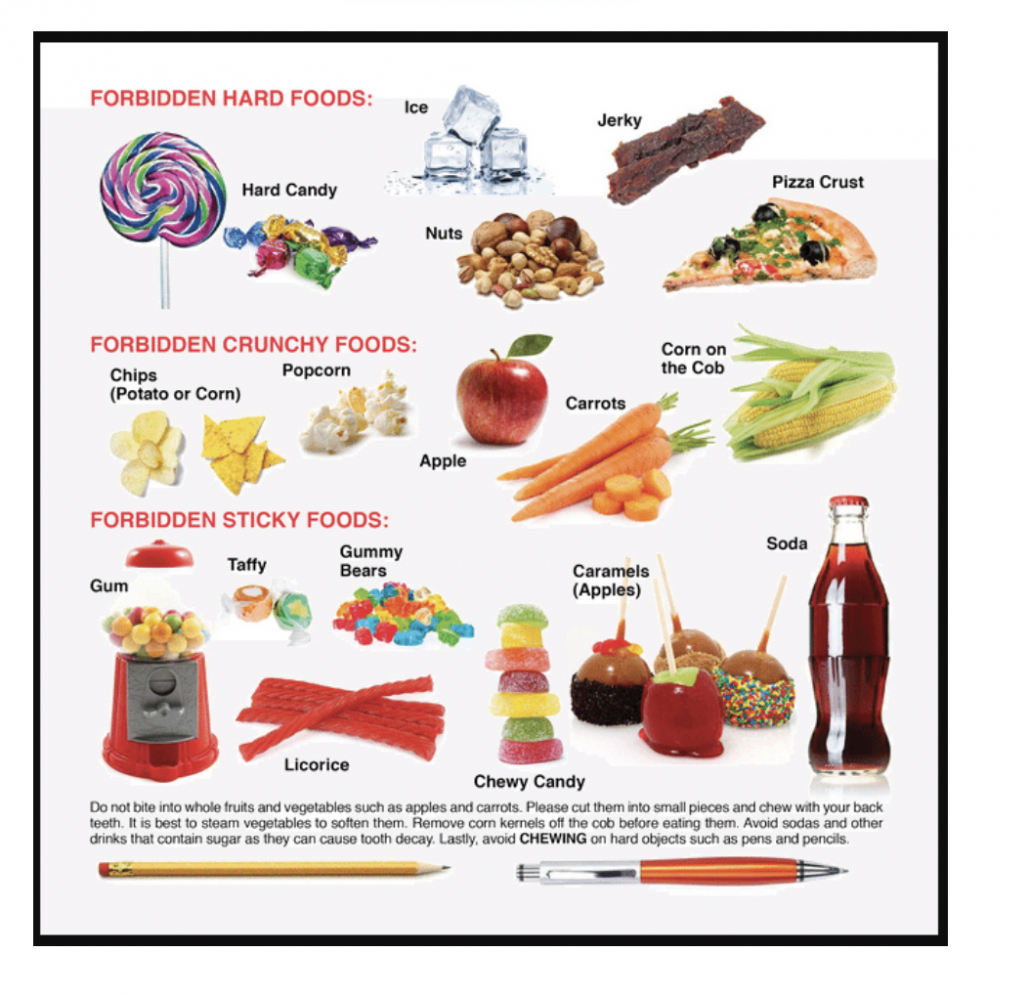
To prevent damage to your braces, you should avoid hard, sticky, and chewy foods..
- Written by
Noorani Orthodontics - Posted on
Sep 8, 2025
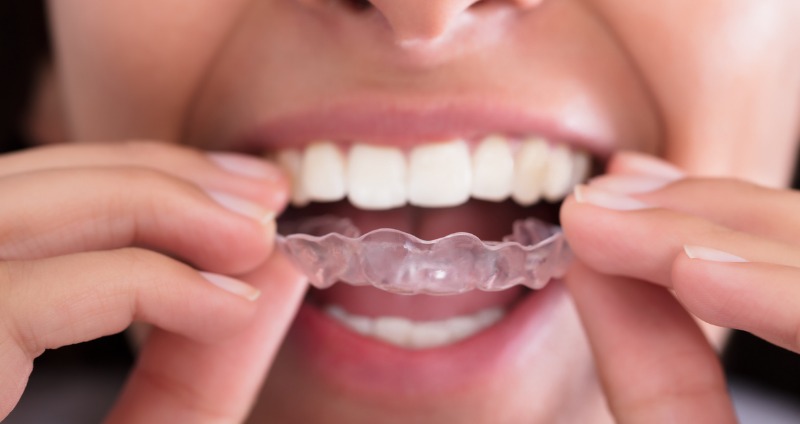
Yes — you will need to wear a retainer after braces are removed. A retainer is..
- Written by
Noorani Orthodontics - Posted on
Sep 8, 2025
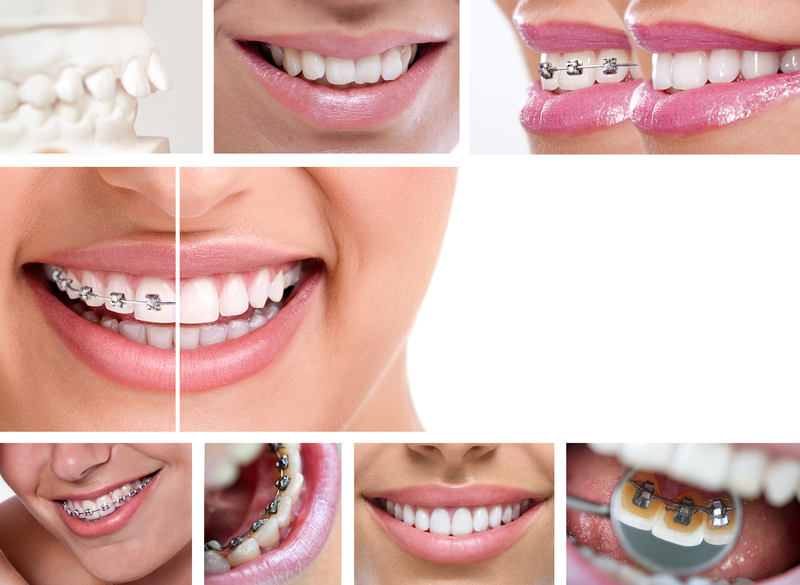
What are your orthodontic treatment options? We offer a variety of orthodontic s..
- Written by
Noorani Orthodontics - Posted on
Sep 8, 2025
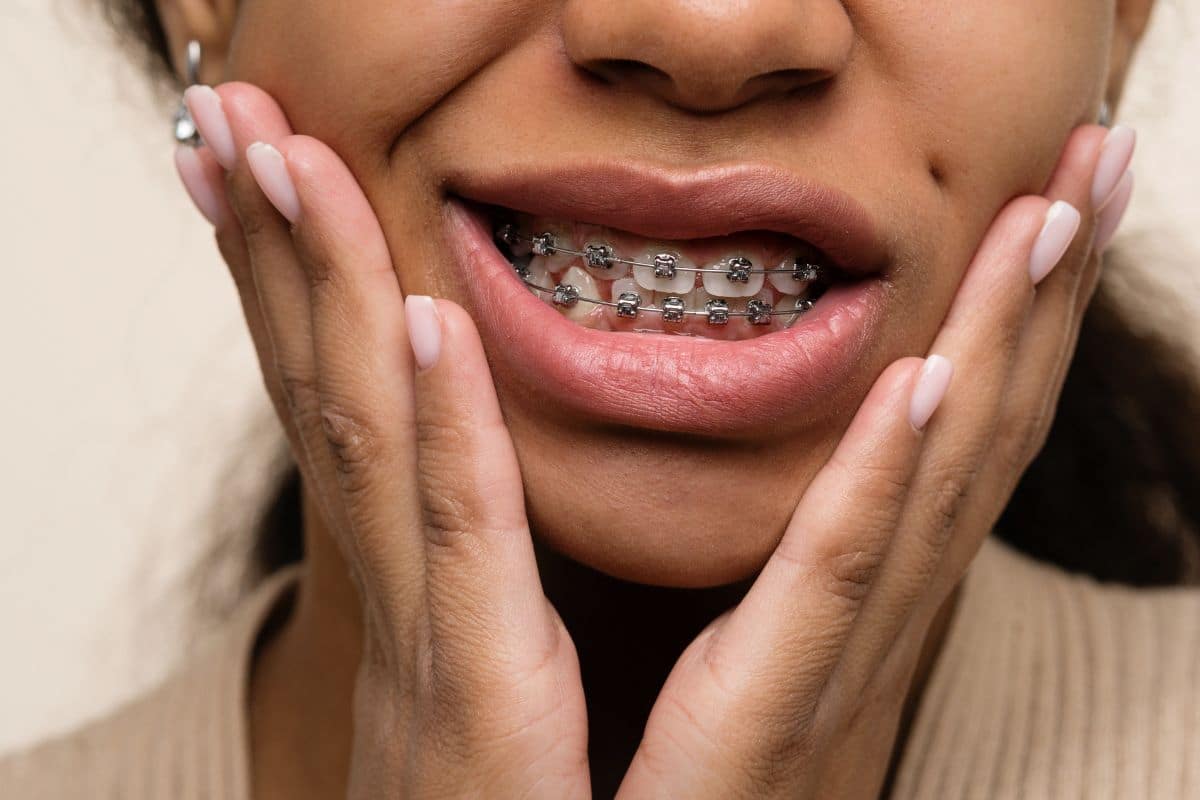
Is orthodontic treatment painful? Most patients experience some discomfort after..
- Written by
Noorani Orthodontics - Posted on
Sep 8, 2025
Share this article