About Orthodontics
Understanding early check-ups in Orthodontics
- Written by
Noorani Orthodontics - Posted on
Aug 11, 2021

The American Association of Orthodontists recommends children get their first check-up with an AAO orthodontist at the first recognition of an orthodontic problem, but no later than age 7. Around that age, children have a mix of baby (primary) and permanent teeth. An examination as permanent teeth take the place of baby teeth, and as the face and jaws are growing, gives the orthodontist a wealth of information. If a problem exists, or if one is developing, your orthodontist is able to advise you on whether treatment is recommended, when it should begin, what form treatment will take, and estimate its length. If you have never visited an orthodontist before, our article about visiting an orthodontist for the first time explains what that first appointment is like.
What will I learn at an early check-up?
In general, an examination would reveal if your child has an existing orthodontic problem, or if one is developing. You could also learn that no problems are present at this time.
At the visit, the orthodontist looks at how the teeth meet, how the jaws are growing, and whether the adult teeth have room to come in. The orthodontist also asks about habits such as thumb sucking or mouth breathing, because these can affect how the teeth and jaws develop. Photographs or X-rays are taken only if they are needed to answer a specific question. At the end of the visit, you will hear what was found and what, if anything, should happen next. For many children, the answer is simply to keep watching growth with periodic check-ups.
How much does a check-up cost?
Noorani Orthodontics offers free examinations, and at no obligation. The check-up is a chance to learn what is happening with your child’s teeth and bite, and to ask questions, without any commitment to treatment. If treatment is ever recommended, the consultation is the right time to talk through the plan and what it would involve.
Will my child need early treatment?
Only a few orthodontic problems need correction while a child has baby teeth. In the event that a problem is detected, chances are your orthodontist will take a “wait-and-see” approach, and will check your child’s growth and development periodically. When the time is right for your child, orthodontic treatment can begin.
Early treatment is sometimes called Phase One treatment. It is a first stage of treatment in a growing child, and its goal is to correct a dental or skeletal issue early, so that it does not get worse as the child grows. Phase One can also make later treatment simpler. After Phase One, the orthodontist continues to monitor growth and development, and decides with you whether full treatment is needed in the early teenage years. To see the range of choices available, read about what your orthodontic treatment options are.
Are braces used in early treatment?
When a child has early treatment (while most baby teeth are present), the type of treatment varies based on the kind of problem a child needs corrected. The goal of early treatment is to create a better environment for permanent teeth as they come in. Not all orthodontic treatment is accomplished with braces. For some patients, early treatment could consist of removal of a stubborn baby tooth, so that the succeeding permanent tooth can arrive in its proper place. Some patients may need help with how to position their tongue when they swallow, while others may need intervention to stop a thumb- or finger-sucking habit. These are sometimes treated with habit appliances. If a child’s upper jaw is too narrow, so that the permanent teeth do not have room to come in, treatment could consist of a palate expander to widen the jaw. Braces are often recommended to optimize tooth and jaw alignment after most or all of the permanent teeth are in. Your AAO orthodontist makes use of the full range of orthodontic appliances and will recommend the type of treatment he or she believes is best suited to your child and correcting his or her orthodontic problem.
If treatment is done while my child has some baby teeth, does that mean they are done with treatment?
Not necessarily. Sometimes preventive or interceptive orthodontic treatment is all that a patient needs. More often, though, patients will require a second phase of orthodontic treatment after a child gets all of their permanent teeth in. This completes the alignment of the teeth and fine-tunes the bite. The orthodontist will explain the plan for each phase, and how often visits will take place. Our article on how often you will have appointments with your orthodontist explains what a typical visit schedule looks like, and our article on whether you will need to wear a retainer after braces are removed explains what happens after treatment ends.
Why move baby teeth?
The purpose of early treatment is not moving baby teeth to improve their appearance. Rather, early treatment guides growth and development, so that the permanent teeth have room to come in and the jaws can grow in balance. Moving a baby tooth, or guiding the jaw, is done to make the path easier for the permanent teeth, not to make the baby teeth themselves look straighter. That is why an early check-up focuses on the bite and the growth of the jaws, as well as on the teeth that are visible.
What signs should parents watch for?
Some bite problems are easy to see, and some are not. It is worth booking a check-up if you notice any of the following:
- Crowded, overlapping, or blocked-out teeth
- A crossbite, underbite, or large overbite
- Baby teeth lost very early or very late
- Difficulty chewing, biting, or speaking clearly
- Mouth breathing or thumb sucking that continues past early childhood
- Jaws that shift or do not meet evenly
Only an orthodontist can confirm whether any of these needs treatment. A check-up gives you a clear answer either way, and it often brings peace of mind. You can read a general overview of orthodontic treatment to learn what treatment usually involves from the first visit through to the final result.
What happens at the check-up visit?
A check-up is a relaxed appointment. The orthodontist examines the teeth, jaws, and bite, and talks with you about what was found. If treatment is needed, you will hear what kind, when it should begin, and how long it may take. If no treatment is needed now, your child will go on a monitoring schedule, with check-ups at intervals to follow growth. Either way, you will leave with a clear plan and time to ask questions.
To sum up, we suggest that you contact the office for an early evaluation if you notice anything wrong with your child’s teeth or bite. If your child is a candidate for early treatment, we can discuss the appropriate options with you. If no treatment is needed at this time, we can continue to monitor your child’s growth and development and let you know when it is a good time to start. We are happy to help. Remember, the health of your child’s teeth is a gift. Our team welcomes patients at all three of our offices, in Bel Air, White Marsh, and Glen Burnie, and we are happy to answer your questions and talk through the next steps.
About Noorani Orthodontics
Noorani Orthodontics www.GreatSmileForYou.com
Three Convenient Locations To Better Serve Your Needs
Glen Burnie | White Marsh | Bel Air
@NooraniOrtho
To learn more about orthodontic treatment and sign up for a free initial consultation, check out the link https://www.greatsmileforyou.com/voted-top-orthodontist
Read More Related Blogs
About Orthodontics

An orthodontic confidence boost is about far more than a straight smile. We ofte..
- Written by
Noorani Orthodontics - Posted on
Dec 17, 2025
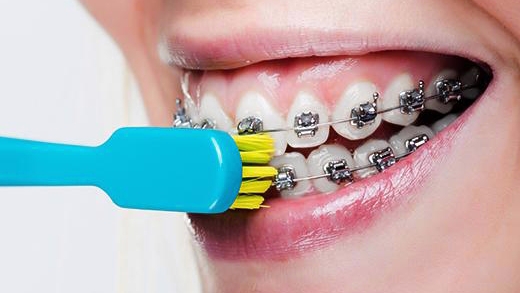
Maintaining good oral hygiene is essential while wearing braces. You should brus..
- Written by
Noorani Orthodontics - Posted on
Sep 8, 2025

To prevent damage to your braces, you should avoid hard, sticky, and chewy foods..
- Written by
Noorani Orthodontics - Posted on
Sep 8, 2025
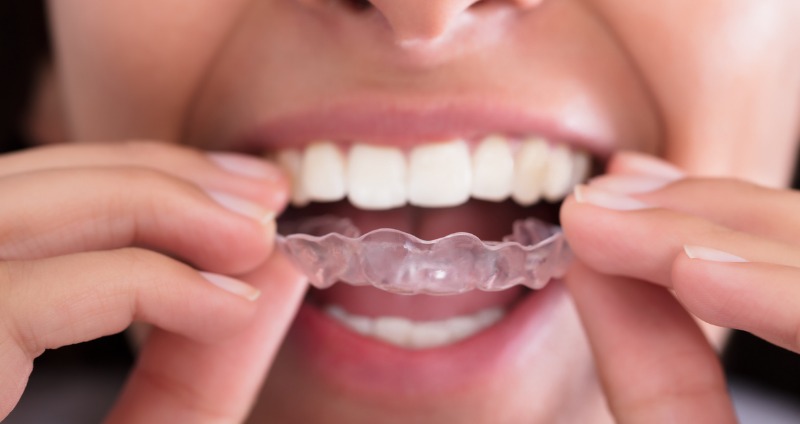
Yes — you will need to wear a retainer after braces are removed. A retainer is..
- Written by
Noorani Orthodontics - Posted on
Sep 8, 2025
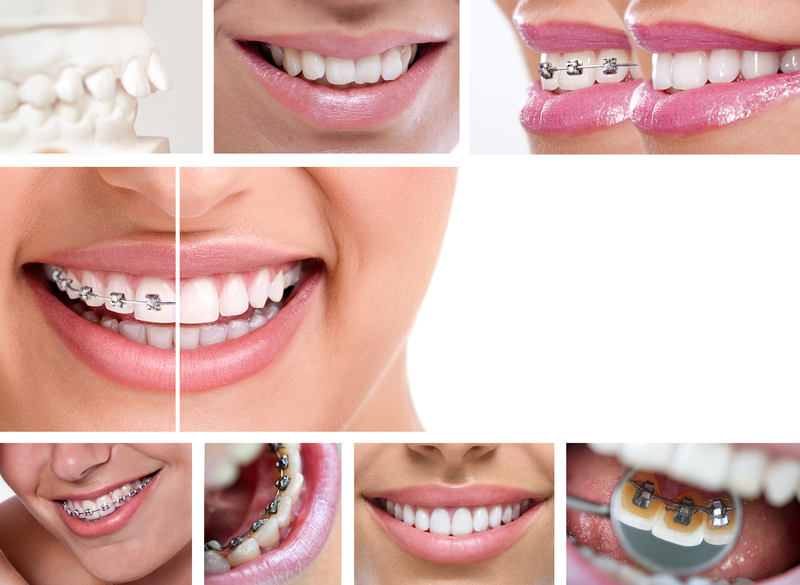
What are your orthodontic treatment options? We offer a variety of orthodontic s..
- Written by
Noorani Orthodontics - Posted on
Sep 8, 2025
Is orthodontic treatment painful? Most patients experience some discomfort after..
- Written by
Noorani Orthodontics - Posted on
Sep 8, 2025
What are clear aligners, and how do they work? Clear aligners, like Invisalign&r..
- Written by
Noorani Orthodontics - Posted on
Sep 8, 2025
How often will you have orthodontist appointments? The frequency depends on your..
- Written by
Noorani Orthodontics - Posted on
Sep 8, 2025

During your initial consultation, we will conduct a thorough examination of your..
- Written by
Noorani Orthodontics - Posted on
Sep 8, 2025

Yes — playing sports with braces is absolutely possible, and you do not have t..
- Written by
Noorani Orthodontics - Posted on
Sep 8, 2025
Share this article