About Orthodontics
What parents should look for with kids teeth
- Written by
Noorani Orthodontics - Posted on
Aug 11, 2021

Teeth that work together make it possible to bite and chew properly, and contribute to clear speech. Teeth that function well will tend to have a pleasing appearance. The beautiful smile that results from orthodontic treatment is the outward sign of good oral health, and sets the stage for overall well-being. Learn more here about baby teeth and permanent teeth.
Baby Teeth
Baby teeth begin to emerge in infancy, but they are already there at birth. Most children have their full set of 20 baby teeth around age 3. Usually the bottom front teeth are the first to appear, and the first to be lost.
Why should we care about baby teeth if they are just going to fall out?
Baby teeth are important to your child’s development. Even though the time will come that they will fall out, they are far from “disposable.” Baby teeth, also called primary or deciduous teeth, contribute to your child’s facial development, as well as the ability to bite, chew and speak. Baby teeth hold space for the permanent teeth that succeed them. Even baby teeth can decay, so limit or avoid sugary and/or acidic liquids (regular and diet soda pop, fruit juices, sports drinks), especially before bedtime.
When should I start brushing my child’s teeth?
Begin dental hygiene in infancy. Clean your baby’s gums with a soft, damp cloth after meals, and continue the practice as teeth begin to emerge. Help your toddler brush his teeth twice a day, and begin daily flossing when two teeth touch. Take your child to the dentist for a check-up after the first tooth appears, but no later than the first birthday. Keep up regular dental appointments so baby teeth stay healthy and in place until it’s time for permanent teeth to come in.
My child’s baby teeth have big spaces between them. Is that OK?
Yes. In general, space between baby teeth is a good thing. It indicates there should be room for permanent teeth to come in. But if you have concerns about your child’s teeth or jaws, check with an AAO orthodontist for an expert opinion. A referral is not required. Many AAO orthodontists provide free or low-cost initial visits.
My child’s baby teeth are crowded. Is that OK?
No. This could be an early sign of something an orthodontist should monitor. You may wish to take your child to an AAO orthodontist for a check-up.
My child sucks his thumb/finger/pacifier. Should I be concerned?
Prolonged sucking exerts force on the teeth and on the bone that supports the teeth. If your child sucks a thumb, finger, pacifier, lips, or fabric such as clothing or a blanket beyond age 4, there could be unwanted consequences. Teeth may be pushed forward, an open bite may develop, and bone may become misshaped.
My child’s front teeth stick out. Should we see an orthodontist?
Yes. Protrusive front teeth may be the outward sign of a problem with the positions of the jaws, or positions of the teeth, even if your child has baby teeth. Protrusive upper front teeth are more likely to be broken at play or in an accident. Consult an AAO orthodontist.
My child’s baby teeth came out early. Why is that considered a problem?
A child’s mouth needs baby teeth to hold space for permanent teeth. Without baby teeth, permanent teeth may not come in properly, and facial development can be affected. See an AAO orthodontist to learn what early loss of baby teeth means for your child.
Permanent Teeth
Around age 6, children begin to lose baby teeth, and their first permanent molars appear. Permanent teeth begin to form before birth. Around age 13, most children have 28 of their permanent teeth. The third molars, known as “wisdom teeth,” appear in the late teen years, or early 20s. Sometimes a child may have too few permanent teeth. This is called “congenitally missing teeth.” The opposite can occur, and a child may have extra teeth, known as “supernumerary teeth.” Both conditions happen more often than you might imagine. Both can be diagnosed using a panoramic x-ray. An AAO orthodontist can help to successfully manage these problems.
Signs that the Bite’s Not Right
If you notice any of these signs, consult an AAO orthodontist:
- Early or late loss of baby teeth
- Difficulty in chewing or biting
- Mouth breathing
- Jaws that shift or make sounds
- Speech difficulties
- Biting the cheek or the roof of the mouth
- Facial imbalance
- Grinding or clenching of teeth
My child doesn’t seem to be able to close her mouth all the way. Is that a problem?
It could be. When a person can’t comfortably keep their lips together when the mouth is closed and at rest, the condition is called “lip incompetence.” This can affect facial muscles, which could alter facial development. There may be problems with swallowing, jaw joint function, and the way teeth come in. See an AAO orthodontist for an evaluation.
It seems like my child’s permanent teeth are late coming in. Should we see the dentist or the orthodontist?
See an AAO orthodontist to learn whether there is a reason your child’s permanent teeth are late coming in. Orthodontists look at teeth differently than your dentist does. Something may be blocking the path of unerupted permanent teeth, they may be missing, or it may simply be that your child is on his/her own schedule and there’s nothing to worry about. To see an orthodontic specialist, you do not need a referral from your general or pediatric dentist.
I noticed that when my son bites a hot dog, he uses his side teeth to bite instead of using his front teeth. Is this a sign of an orthodontic problem?
Yes. If someone cannot bite with their front teeth, called “incisors,” which are engineered to cut (“incise”) food, this can be a sign of an orthodontic problem. The upper and lower jaws could be out of balance and/or the front teeth could be protruding. See an AAO orthodontist for an in-person evaluation.
What happens if orthodontic problems are not treated?
Generally, untreated orthodontic problems may become worse. Lack of orthodontic treatment can be a factor in tooth decay, gum disease, destruction of the bone that holds teeth in place, tooth loss, chewing/digestive difficulties, or abnormal wearing away of tooth enamel. Ultimately, orthodontic treatment may cost less than the restorative treatment that could be needed to treat decayed, worn or lost teeth, or gum disease.
When Should Your Child First See an Orthodontist?
Orthodontists can spot subtle problems with jaw growth and emerging teeth while some baby teeth are still present. While your child’s teeth may appear to be straight, there could be a problem that only an orthodontist can detect. A check-up may reveal that your child’s bite is fine. Or, the orthodontist may identify a developing problem but recommend monitoring your child’s growth and development, and then, if indicated, begin treatment at the appropriate time for your child. In other cases, the orthodontist might find a problem that can benefit from early treatment. Early treatment may prevent more serious problems from developing and may make treatment at a later age shorter and less complicated. In some cases, the orthodontist will be able to achieve results that may not be possible once the face and jaws have finished growing. Early treatment may give your orthodontist the chance to guide the growth of the jaw, guide incoming permanent teeth, lower the risk of trauma to protruded front teeth, correct harmful oral habits, improve appearance and self-esteem, guide permanent teeth into a more favorable position, and improve the way lips meet. The American Association of Orthodontists recommends a first check-up by age seven — learn why your 7-year-old should see an orthodontist, and read about the importance of early orthodontic intervention.
Healthy Habits That Protect Growing Smiles
Good daily habits protect both baby teeth and permanent teeth. Brush twice a day with fluoride toothpaste, floss once teeth touch, and limit sugary drinks and snacks, especially before bedtime. Fluoride strengthens enamel and helps prevent cavities — learn more about fluoride and your orthodontic treatment. Sugary, acidic drinks are a common cause of decay in children, so it helps to understand the impact of soda and energy drinks on teeth. Keep up regular dental check-ups as well, so small problems can be caught early.
Frequently Asked Questions About Children’s Teeth
At what age do children usually get braces? There is no single right age. Some children benefit from early treatment around age seven to ten, while others start in their early teens once most permanent teeth have come in. Learn more about what the best age to get braces is and how the timing is decided.
What if my child’s permanent tooth seems stuck? A tooth that is late to erupt may simply be on its own schedule, or it may be blocked or impacted. If you are concerned, an orthodontist can take an X-ray to see what is happening under the gum. Read about orthodontics and impacted teeth to understand the options.
Does my child need a referral to see an orthodontist? No. You do not need a referral from your general or pediatric dentist to see an orthodontist, and many orthodontists offer a free or low-cost first visit.
About Noorani Orthodontics
Noorani Orthodontics provides orthodontic care for children, teens, and adults at three convenient offices in Bel Air, White Marsh, and Glen Burnie. The team offers braces, Invisalign, and early orthodontic care, with a focus on comfortable treatment and healthy, lasting results. If you have questions about your child’s teeth or bite, schedule a consultation with Noorani Orthodontics.
Read More Related Blogs
About Orthodontics
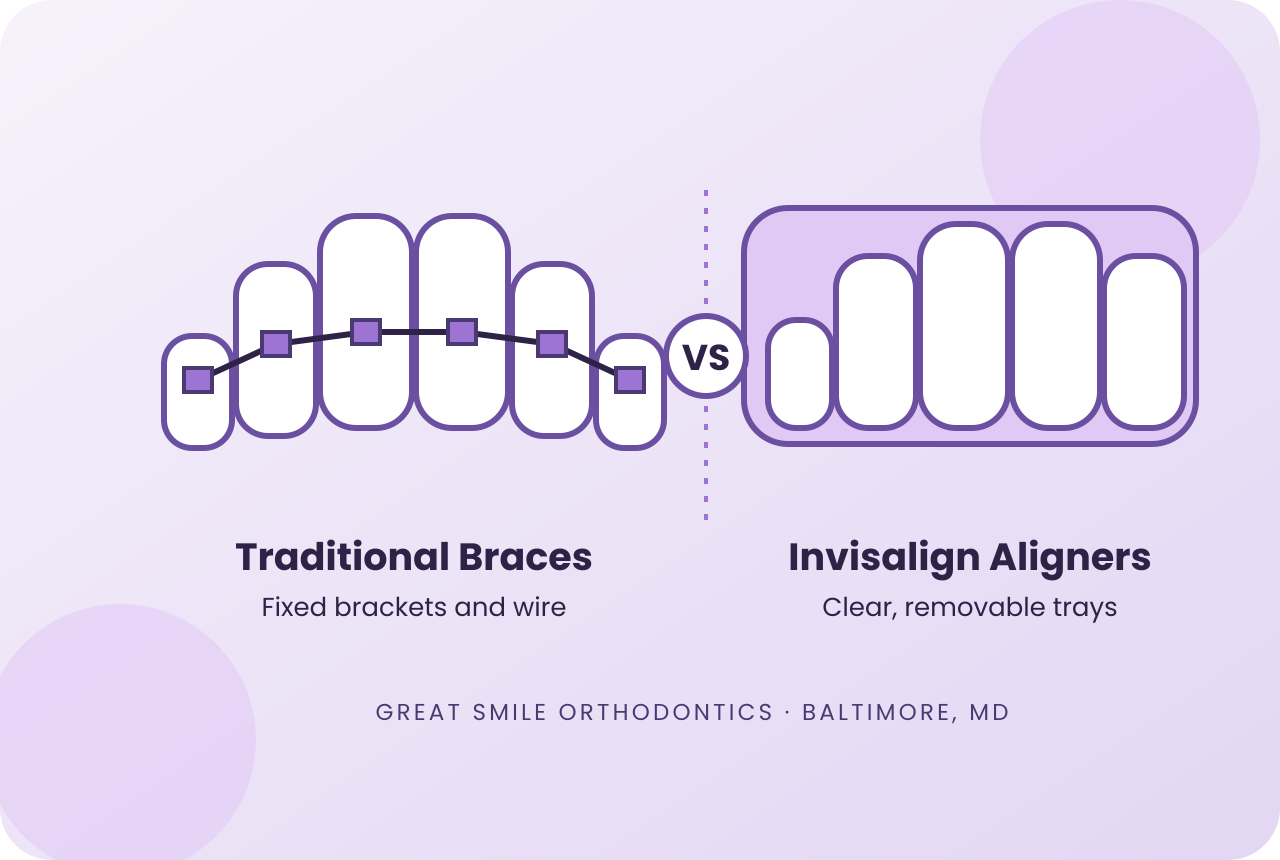
The short answer: Both Invisalign and braces work very well for teens — the ri..
- Written by
Dr. Michael Noorani, Diplomate of the American Board of Orthodontics - Posted on
Nov 27, 2026

An orthodontic confidence boost is about far more than a straight smile. We ofte..
- Written by
Noorani Orthodontics - Posted on
Dec 17, 2025
Is orthodontic treatment painful? Most patients experience some discomfort after..
- Written by
Noorani Orthodontics - Posted on
Sep 8, 2025
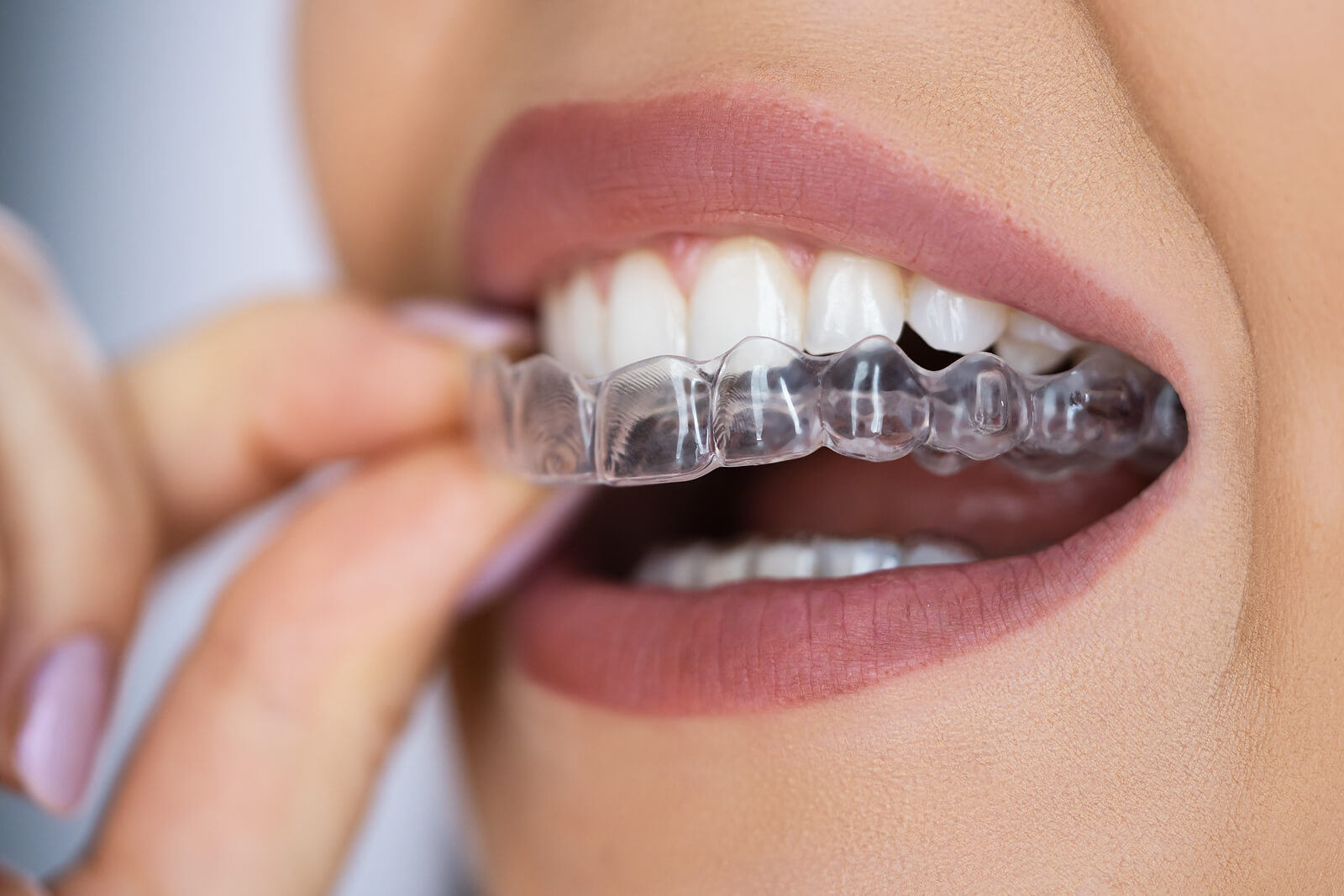
What are clear aligners, and how do they work? Clear aligners, like Invisalign&r..
- Written by
Noorani Orthodontics - Posted on
Sep 8, 2025
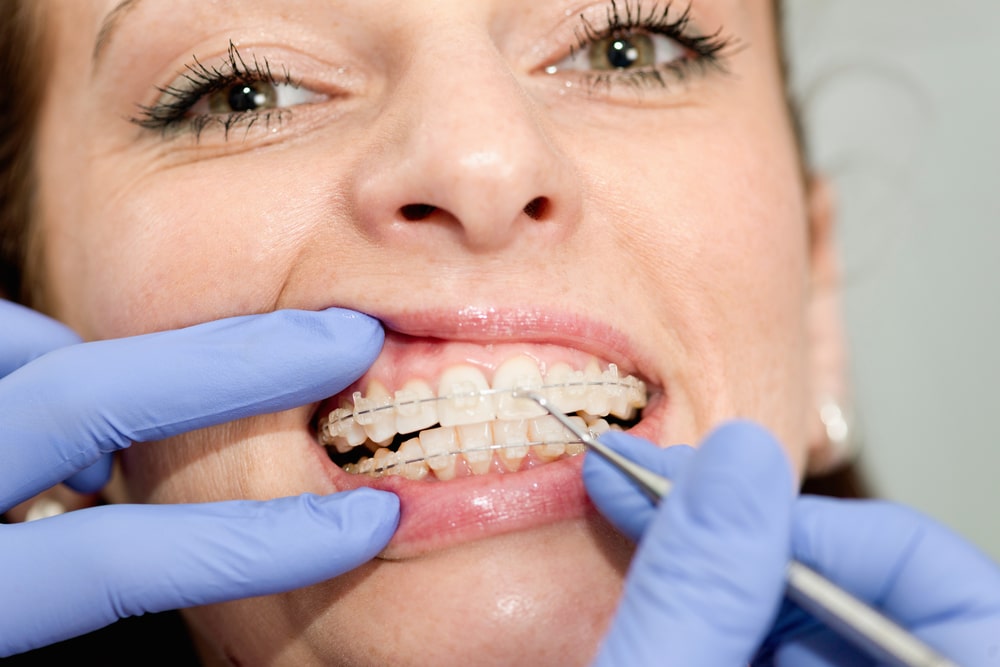
How often will you have orthodontist appointments? The frequency depends on your..
- Written by
Noorani Orthodontics - Posted on
Sep 8, 2025

During your initial consultation, we will conduct a thorough examination of your..
- Written by
Noorani Orthodontics - Posted on
Sep 8, 2025

Yes — playing sports with braces is absolutely possible, and you do not have t..
- Written by
Noorani Orthodontics - Posted on
Sep 8, 2025

While many patients are referred by their general dentist, you do not need a ref..
- Written by
Noorani Orthodontics - Posted on
Sep 8, 2025
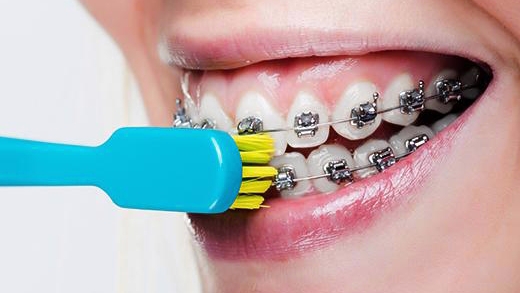
Maintaining good oral hygiene is essential while wearing braces. You should brus..
- Written by
Noorani Orthodontics - Posted on
Sep 8, 2025
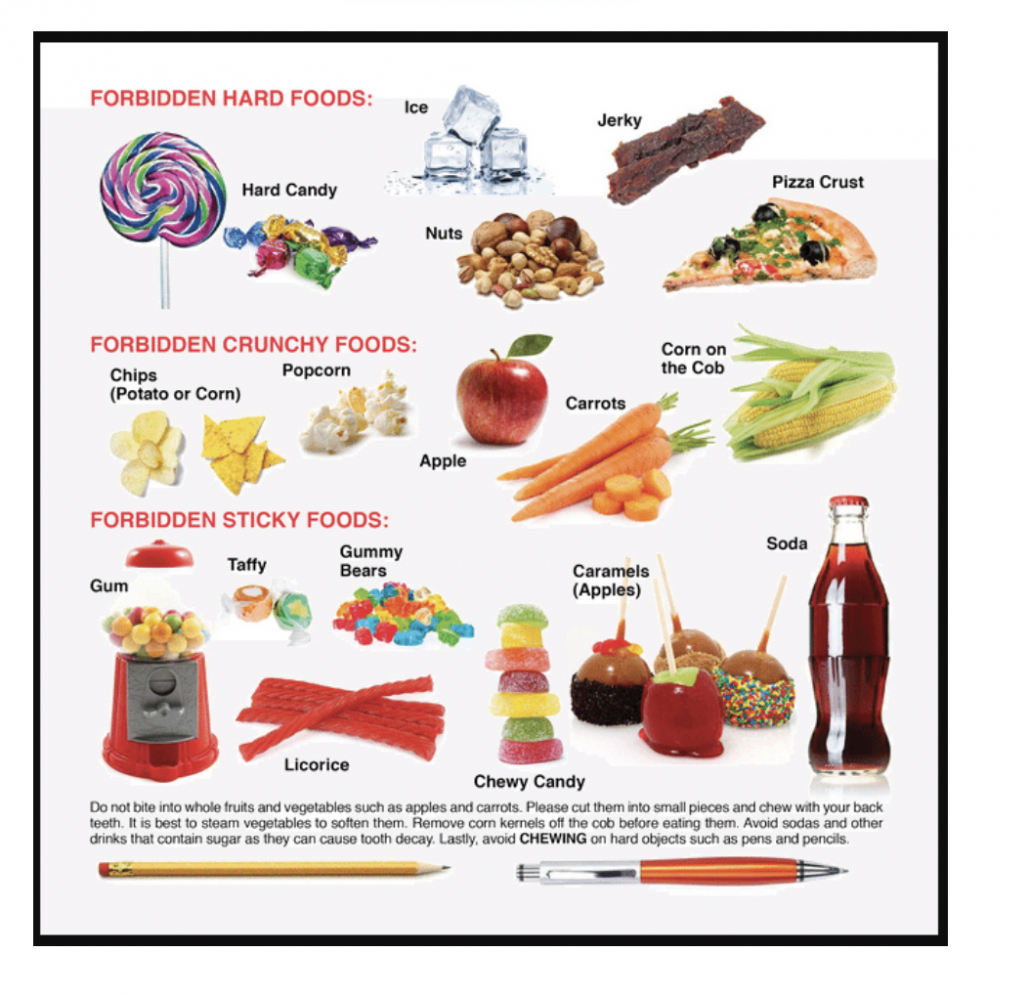
To prevent damage to your braces, you should avoid hard, sticky, and chewy foods..
- Written by
Noorani Orthodontics - Posted on
Sep 8, 2025
Share this article